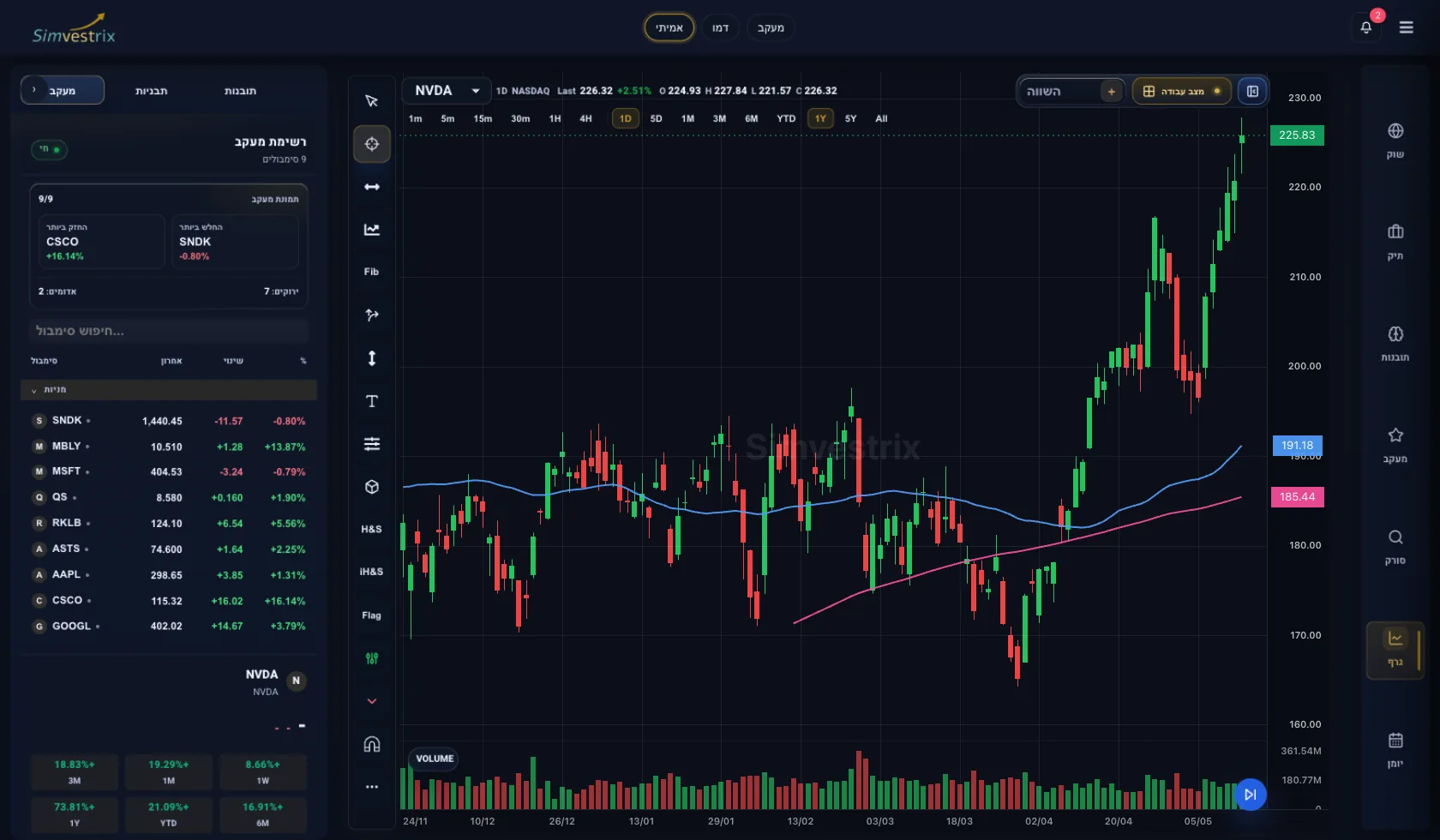
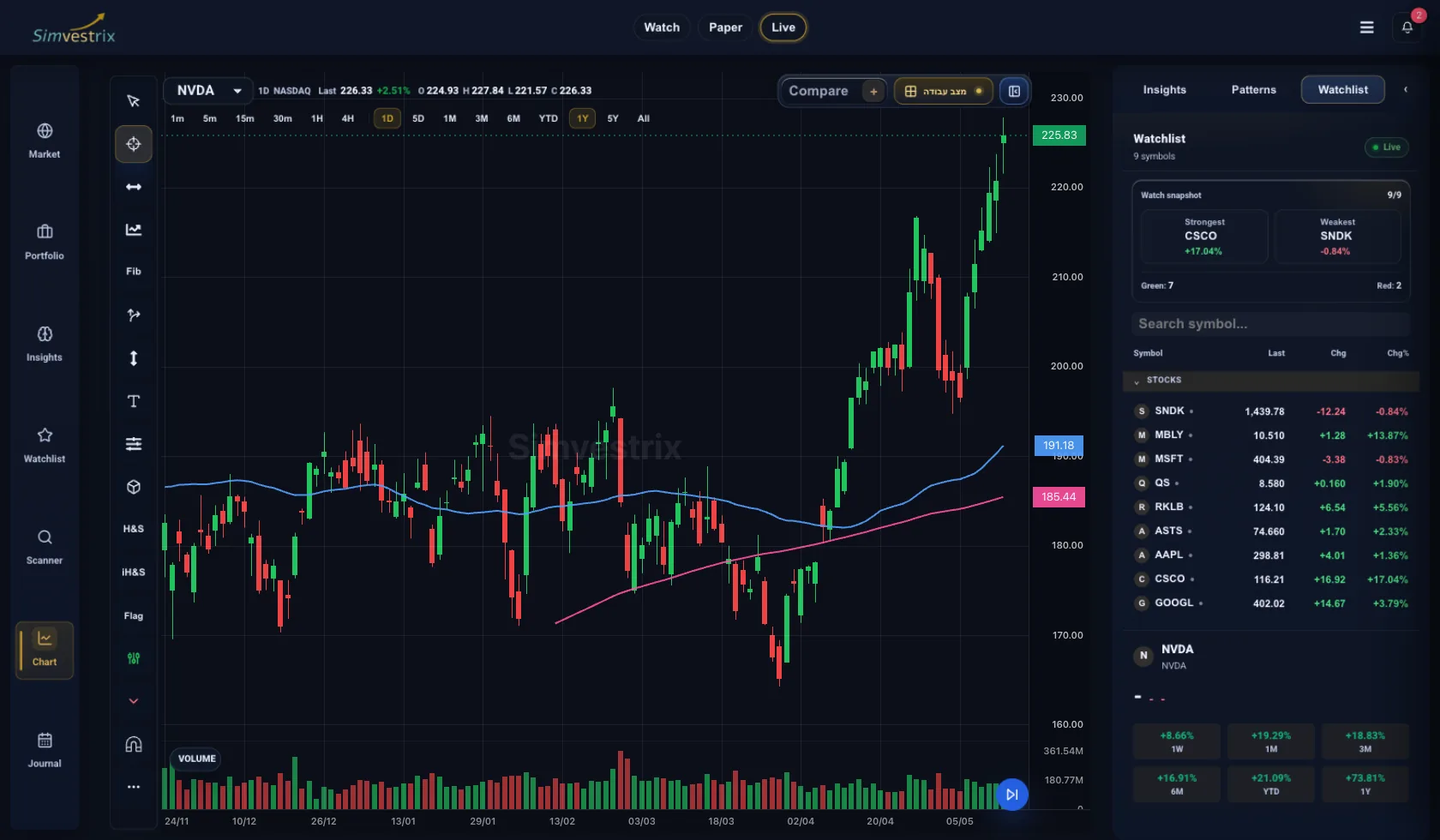
A good setup can disappear in minutes, but most traders do not miss it because they lacked a chart. They miss it because their process broke down. Symbols were scattered across tabs, notes lived somewhere else, and priority names got buried under noise. That is where a watchlist management system stops being a convenience and starts becoming core trading infrastructure.
For an independent trader, a watchlist is not just a list of tickers. It is a decision layer. It tells you what deserves attention, why it matters, what condition would trigger action, and when the idea is no longer valid. Without structure, the watchlist becomes clutter. With structure, it becomes a working model of your market focus.
Why choosing the right watchlist system matters
Most traders already have some version of a watchlist. The issue is not whether one exists. The issue is whether it supports actual decision-making. A static list inside a broker platform might show price changes, but it often does very little to help you rank opportunities, track thesis changes, or connect names to risk context and post-trade review.
That gap matters more as your process gets more serious. If you trade across multiple sectors, timeframes, or asset classes, your attention becomes limited long before data does. A watchlist management system helps direct that attention. It gives you a consistent way to separate high-quality setups from background activity and to revisit ideas with context instead of memory.
There is also a discipline angle. Traders often talk about execution mistakes, but many of those mistakes begin before the order ticket. They begin with weak filtering, poor organization, or unclear criteria. If your watchlist does not reflect priority, setup quality, timing, and invalidation, you are asking execution to solve a research problem.
What separates a real system from a simple list
A simple list stores symbols. A real watchlist management system stores intent.
That difference sounds small, but it changes how a trader works. Instead of maintaining a broad stack of names to glance at, you build a live queue of opportunities tied to market logic. You know whether a symbol is a breakout candidate, an earnings reaction setup, a pullback into support, or simply a name worth monitoring for future rotation. You know what price level matters and what would make the idea stale.
A useful system also lets you sort and filter quickly. You may want to view only names with upcoming catalysts, only swing setups above a certain relative strength threshold, or only symbols tied to a specific sector theme. If that takes too many clicks or manual work, the watchlist becomes passive. Traders need it to be operational.
The best systems also reduce duplication. If charting, notes, risk planning, and trade tracking all sit in separate tools, your watchlist loses continuity. An idea gets added in one place, annotated in another, and reviewed nowhere. That fragmentation creates friction, and friction usually leads to weaker follow-through.
The core functions traders should expect
A watchlist management system should first make it easy to organize symbols by strategy, market theme, or timeframe. That sounds basic, but it is the foundation of clean market oversight. A day trader scanning momentum names has different needs than a swing trader tracking earnings drift or macro-sensitive sectors. The system should reflect that difference rather than forcing every idea into one flat list.
It should also support tagging and custom categorization. Tags help traders group setups by behavior, catalyst, conviction, or status. That matters because not every name on a watchlist deserves the same attention. Some are active candidates. Others are early-stage ideas. Others should stay visible only as context for broader market movement.
Alerts and condition tracking are another essential layer. Watching everything manually is inefficient, especially when many setups depend on specific levels or volume conditions. The value is not just getting notified. The value is knowing why the notification matters because it is tied to a defined idea already sitting inside your process.
Notes matter just as much. If a trader cannot record the thesis, the trigger, the invalidation level, and the reason the symbol made the list, then the watchlist becomes shallow. Market memory is unreliable under pressure. Good notes reduce improvisation.
Finally, a strong watchlist management system should connect directly to trade review. If a symbol moves from watchlist to position and then into journal analysis, that transition should not erase the original setup context. Traders improve faster when they can compare what they expected with what actually happened.
How watchlist structure affects risk management
Watchlists are often treated as a research function, but they have direct risk implications. Poorly managed watchlists encourage impulse trades because they put too many names in front of the trader without enough hierarchy. Everything looks potentially actionable. That usually leads to rushed entries and lower selectivity.
A structured system creates a filter before risk is committed. It limits attention to defined setups, clearer timing windows, and names that fit the trader's plan. That improves consistency. It also helps avoid concentration mistakes, such as loading multiple positions that are all exposed to the same sector move or macro driver.
There is a practical benefit here for portfolio awareness as well. If your watchlist is connected to current holdings and broader market analysis, you can see whether your next idea actually adds diversification or simply adds more correlation. That is the kind of oversight independent traders need but often do not get from disconnected tools.
The workflow advantage of integration
This is where a lot of platforms fall short. They offer watchlists, charts, and maybe some alerts, but each feature operates like a separate utility. That means the trader is still doing the integration manually.
A stronger approach is to treat the watchlist as one component inside a connected trading workspace. In practice, that means the symbol on your watchlist can move naturally into chart review, trade planning, risk sizing, portfolio impact, and post-trade journaling without forcing you to rebuild context each time.
That kind of integration saves time, but time is not the only gain. It improves control. When research, monitoring, and review share the same environment, the odds of missing key information drop. You spend less energy managing tools and more energy evaluating the trade.
For self-directed traders, that matters because workflow quality compounds. Small inefficiencies repeated every day eventually shape decision quality. Simvestrix is built around that reality - not just providing features, but connecting the trading process so watchlists become actionable rather than isolated.
Choosing the right watchlist management system
The right choice depends on how you trade. If you monitor a small number of long-term positions, a lightweight watchlist may be enough. If you actively manage setups, rotate between themes, or trade multiple strategies, basic tools usually break down fast.
Start by asking whether the system helps you prioritize, not just observe. Can you group names by setup type? Can you attach notes that stay connected to the idea? Can you identify what needs attention now versus later? Can the watchlist reflect both opportunity and risk exposure?
Then look at how well it fits your broader process. A watchlist tool that requires constant exporting, re-entering notes, or switching between platforms may still create friction even if its features look strong on paper. Traders often underestimate this trade-off. A feature-rich tool can still be inefficient if it lives outside the rest of the workflow.
It is also worth being honest about complexity. More customization is not always better. A system should give you structure without becoming another project to manage. The goal is faster clarity, not more administration.
What disciplined traders gain over time
The short-term benefit of a watchlist management system is better market organization. The longer-term benefit is better pattern recognition. When your watchlists consistently track setup type, catalyst, timing, and outcome, you build a repeatable dataset around your own decision-making.
That changes the role of the watchlist. It stops being a temporary holding area for ideas and becomes part of your feedback loop. You start seeing which setups you monitor well but execute poorly, which sectors produce false starts, which conditions improve follow-through, and which names should never have made the list in the first place.
That level of visibility is hard to create with fragmented tools and harder to maintain with memory alone. A serious trader needs more than access to market data. They need a system that makes their own process visible.
If your watchlist still functions like a scratchpad, that is usually the bottleneck. Build it like infrastructure, and it starts doing what it should have been doing all along - helping you focus on the right trade at the right time for the right reason.