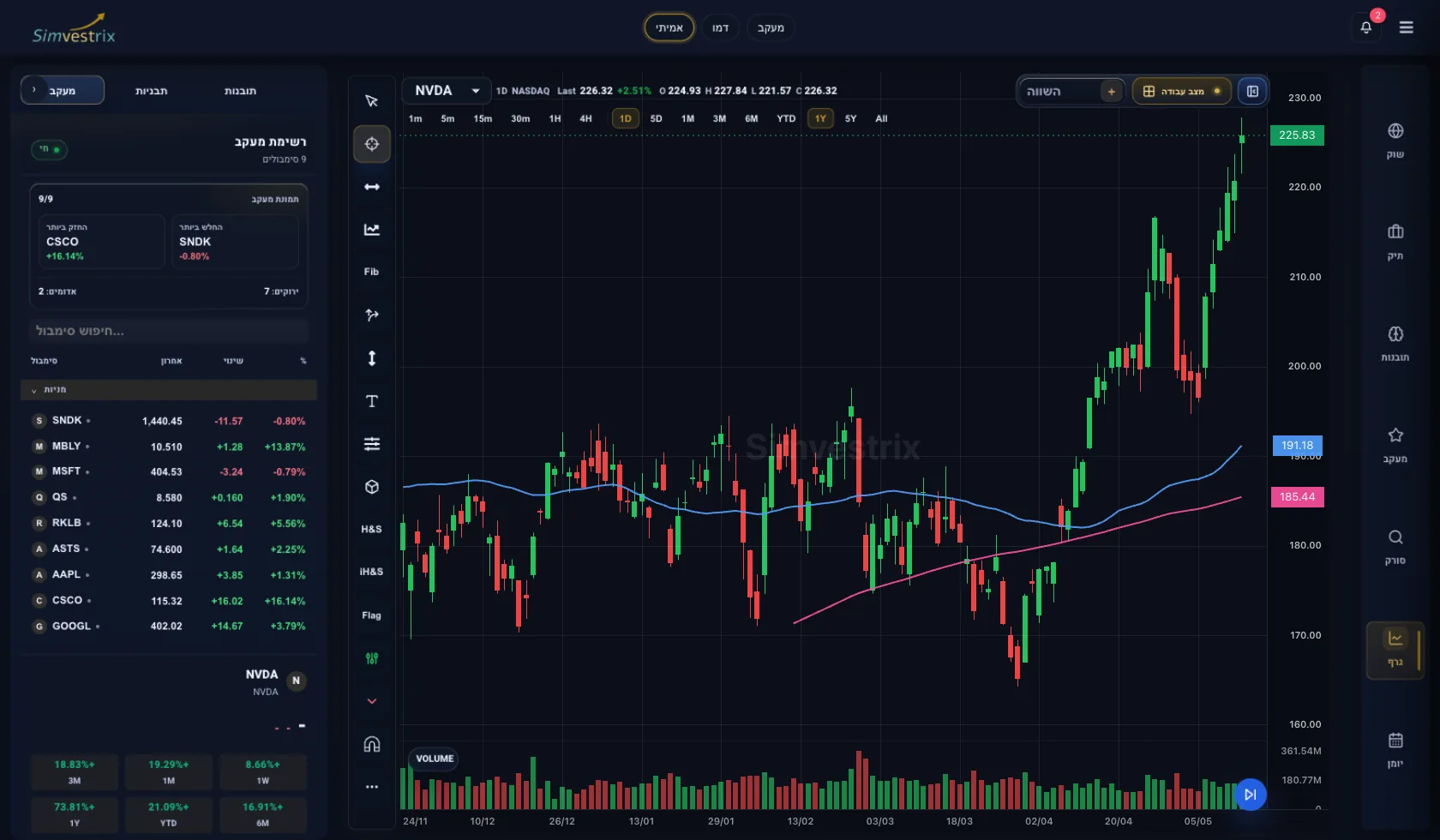
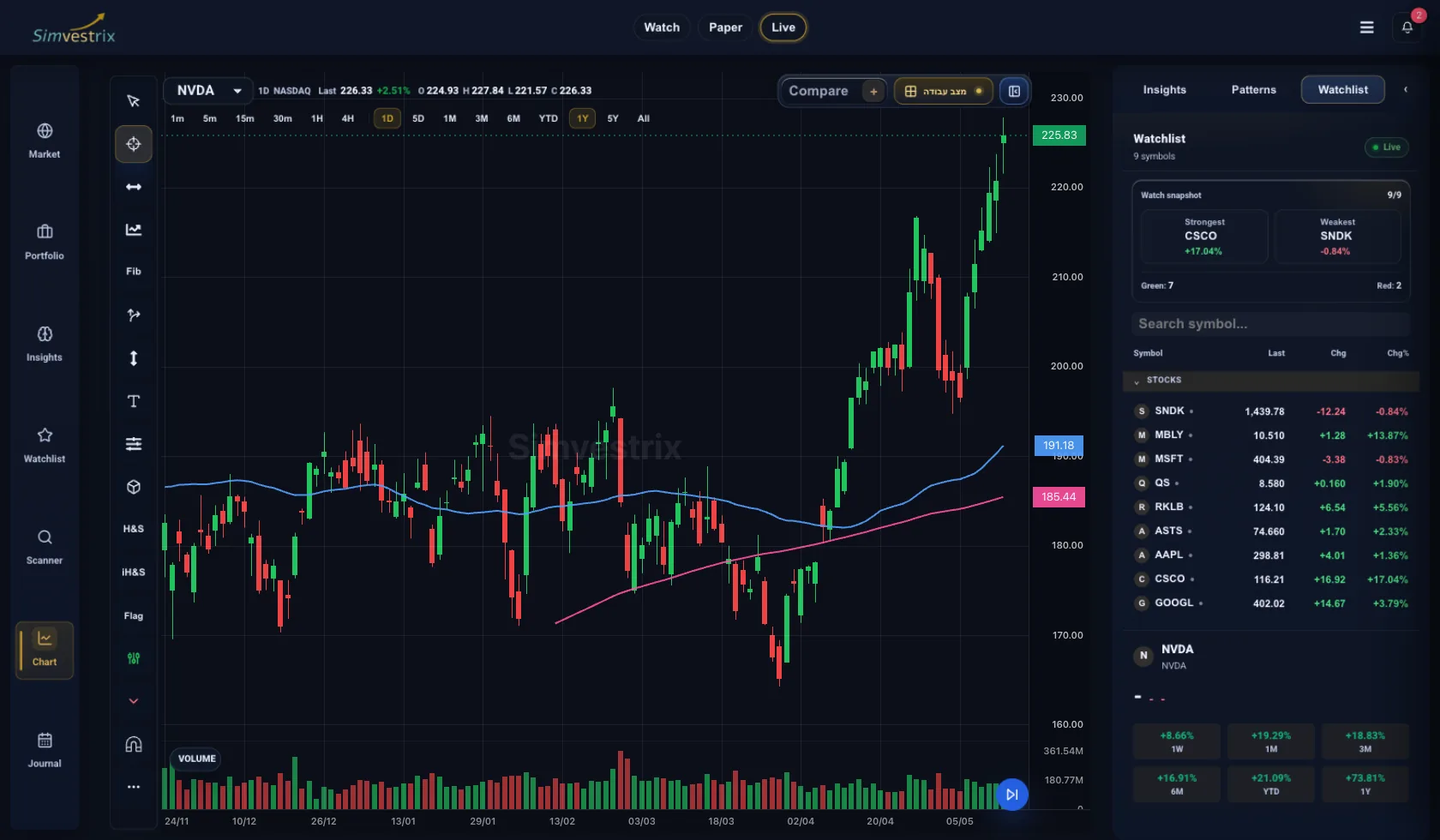
A losing trade rarely does the real damage. The damage comes when you cannot explain why you took it, whether it matched your setup, or how often the same mistake keeps showing up. That is where trade journal software earns its place. For independent traders, journaling is not paperwork. It is operational control.
The problem is not that most traders ignore review. It is that review often lives in scattered notes, broker exports, screenshots, and memory. That setup breaks down fast. If you trade multiple symbols, track different strategies, or adjust risk based on market conditions, disconnected records make it hard to see what is actually working. Good trade journal software fixes that by turning post-trade review into a structured part of the trading process.
What trade journal software should actually do
At a basic level, trade journal software records entries, exits, position size, profit and loss, and timestamps. That is useful, but not enough for a serious trader. A real journaling system should help you evaluate decision quality, not just archive transactions.
That means it needs context. You should be able to tag setups, note the reason for entry, track whether the trade followed your plan, and compare performance across market conditions. If your breakout trades perform well on strong relative volume but fall apart during low-conviction midday sessions, the software should make that visible. If your average winner shrinks when you scale out too early, that should not stay hidden in a spreadsheet.
A useful journal also needs to connect the numbers with the process. P and L matters, but it is only one layer. Many traders have profitable trades that came from poor execution and losing trades that followed the plan correctly. Without that distinction, review becomes misleading. Trade journal software should help you separate outcome from process so you can improve the part you actually control.
Why manual journaling stops working at scale
Manual logs can work when trade volume is low and the workflow is simple. A swing trader placing a handful of trades each month may be able to maintain a spreadsheet and handwritten notes. But once activity increases, friction multiplies.
The first issue is consistency. When journaling requires too many manual steps, records become incomplete. A missing entry note here, an untagged setup there, and soon the dataset is weak enough to produce bad conclusions. The second issue is speed. Review that takes hours gets postponed. Postponed review usually turns into no review.
Then there is the bigger issue: fragmentation. If your charts are in one tool, your watchlists in another, your portfolio tracking somewhere else, and your journal in a separate app, every review session becomes a reconstruction project. You spend time rebuilding context instead of analyzing performance.
This is why traders often think they have a discipline problem when they actually have a systems problem. The more disconnected the workflow, the harder it is to maintain high-quality review over time.
The best trade journal software supports the full workflow
Trade journaling works best when it is not isolated from the rest of your trading environment. Your journal should sit close to the tools that shape trade decisions in the first place: charts, watchlists, portfolio views, and risk tracking.
That matters because trades do not happen in a vacuum. A position is influenced by broader exposure, market regime, recent performance, and how the idea developed from observation to entry. When trade journal software is connected to the broader workspace, review becomes faster and more accurate. You are not trying to remember what the chart looked like or how the position fit within total portfolio risk. The context is already there.
For independent traders, that integrated setup has a direct benefit: less operational drag. Instead of managing multiple subscriptions and moving data between tools, you can keep research, monitoring, execution support, and review in one place. That reduces friction, but more importantly, it improves decision quality because your information is organized around the actual trading workflow.
What to look for in trade journal software
If you are comparing options, focus less on surface-level reporting and more on whether the system helps you run a tighter process.
Start with trade capture. Manual entry is acceptable if volume is low, but flexible import options and clean organization matter. Then look at tagging. You need a reliable way to classify trades by setup, strategy, timeframe, catalyst, or any variable you use to make decisions. Without that structure, the journal becomes a storage bin instead of an analysis tool.
Review depth is the next filter. Strong trade journal software should let you evaluate performance by setup, time period, symbol, or behavior pattern. It should help you identify recurring problems like late entries, oversized positions, weak exits, or revenge trades. Basic win-rate dashboards are not enough. A 60 percent win rate tells you very little if your losses are too large or your best setups are underused.
Usability matters more than many traders admit. If the software makes journaling feel like administrative work, adoption will slip. The right platform should be efficient enough to support daily use, with enough structure to produce useful analysis without creating extra clutter.
The trade-offs depend on how you trade
There is no single ideal setup for every trader. A discretionary swing trader and a high-frequency intraday trader need different levels of detail and different review rhythms.
If you trade selectively and hold positions for days or weeks, your journal may need stronger support for thesis tracking, planned levels, and broader market context. If you trade actively intraday, speed, pattern tagging, and behavior review may matter more. In both cases, the core requirement is the same: the journal has to make patterns visible fast enough to influence the next decision cycle.
There is also a trade-off between simplicity and depth. A lightweight journal may be easier to maintain, but it can miss the variables that explain your actual edge. A highly detailed system may offer stronger analysis, but only if you use it consistently. The right choice is usually the one that matches your workflow closely enough that review becomes sustainable.
Why journal data matters for risk management
Most traders think of journaling as a performance tool. It is also a risk control tool.
Your journal can reveal where risk is expanding in ways you do not notice in real time. Maybe your losses increase after three straight winners because confidence starts replacing discipline. Maybe your weakest trades come from forcing setups outside your core watchlist. Maybe your average loss grows on days when you enter too many correlated positions.
Those are not random observations. They are risk signals. Trade journal software helps surface them before they become expensive habits. It gives you a clearer view of when rule-breaking begins, which strategies deserve more capital, and where position sizing is drifting away from your plan.
For self-directed traders, that kind of visibility matters because there is no external structure enforcing discipline. Your process has to do that job. The journal is one of the few tools that can show whether your stated rules and actual behavior still match.
A journal should help you improve, not just document
The strongest reason to use trade journal software is simple: it shortens the feedback loop.
When review is structured, you can spot a problem this week instead of three months from now. When your trades are tagged and organized, you can see whether a setup still has an edge under current conditions. When notes, chart context, and performance data live in the same environment, the review process becomes practical enough to repeat.
That repeatability is what matters. Trading improvement usually does not come from one major insight. It comes from small corrections made consistently - tighter entries, cleaner sizing, fewer low-quality trades, more accurate understanding of what your edge really is. A journal supports that process when it moves beyond record-keeping and becomes part of how you operate.
For traders who want a connected workspace rather than another isolated tool, platforms like Simvestrix fit that need especially well. The advantage is not just having a journal. It is having trade review, portfolio visibility, chart analysis, and risk oversight working together in one system.
If your current review process depends on memory, scattered files, or end-of-month guesswork, the problem is not a lack of effort. It is a lack of structure. The right journal gives your trading process something every serious operator needs: a clear record of what happened, why it happened, and what needs to change next.