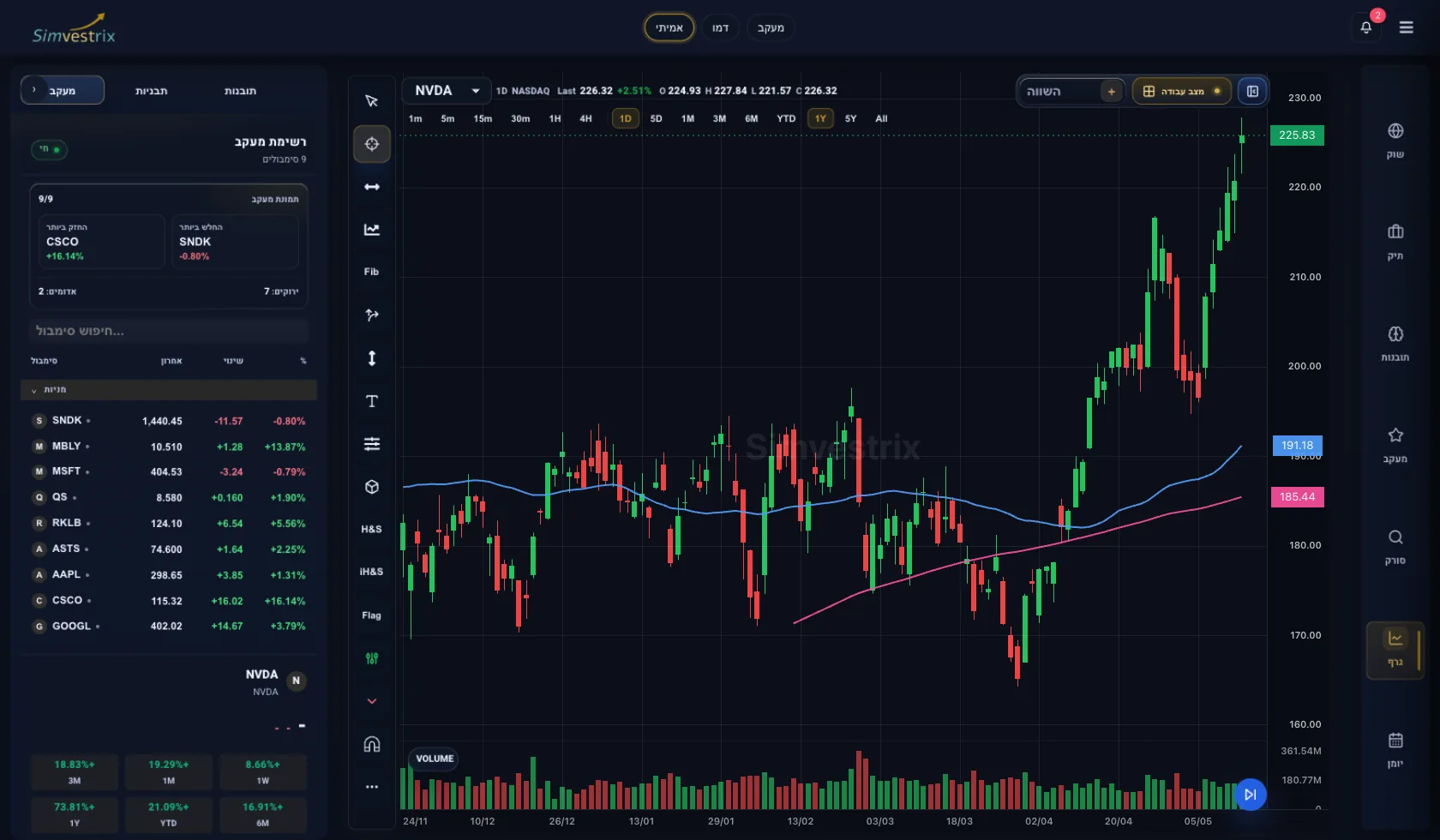
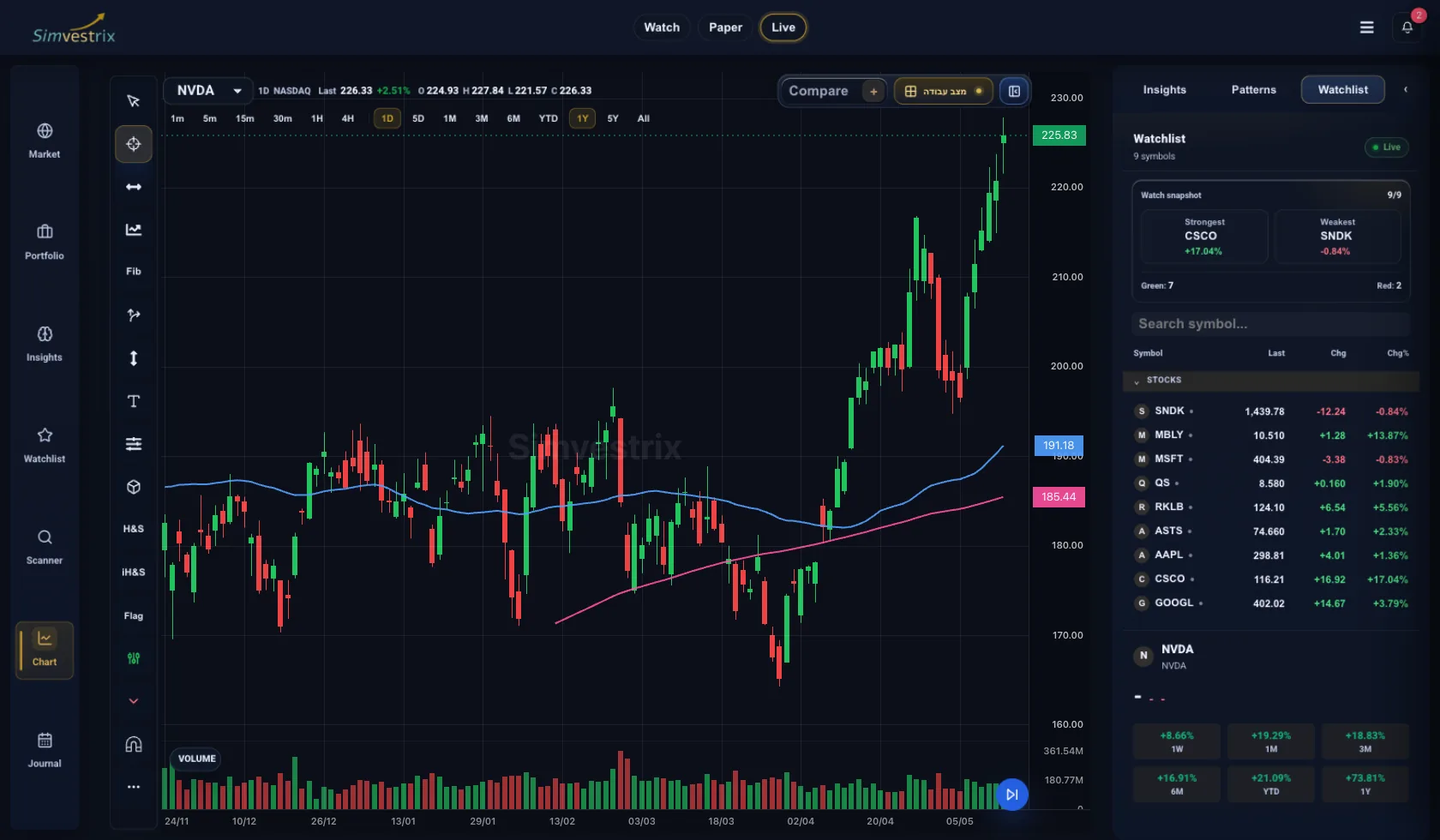
A journal that only stores entries and exits is just a trade log. That distinction matters. If you are serious about improving process, the best trading journal features should help you identify what is working, where discipline is slipping, and how risk decisions are shaping results over time.
For independent traders, the real value is not documentation for its own sake. It is visibility. A strong journal should reduce friction between execution and review, connect trades to the context behind them, and turn scattered activity into something you can actually analyze. The difference between a useful journal and a decorative one usually comes down to a handful of core features.
What the best trading journal features should actually do
A trading journal should support decision quality, not just record history. That means it needs to answer practical questions quickly. Which setups have edge? Are your losses coming from poor entries, oversized positions, or rule violations? Are certain market conditions pulling down performance even when your strategy looks sound on paper?
If a journal cannot help you get to those answers without exporting data into three separate tools, it is creating work instead of removing it. Traders who manage their own process need a system that keeps review close to the rest of the workflow.
1. Automatic trade capture
Manual entry sounds manageable until volume increases or the market gets busy. Then the journal falls behind, details get skipped, and review quality drops. Automatic trade capture is one of the most important features because it preserves accuracy while reducing effort.
This is especially important for active traders who need reliable timestamps, fill prices, position sizing, and realized P and L. A journal that imports trades directly gives you a cleaner starting point for analysis. It also removes a common excuse for inconsistent recordkeeping.
There is a trade-off here. Some traders like full manual control because it forces reflection. That can still matter, but the better approach is usually automatic capture plus manual fields for context and notes.
2. Strategy and setup tagging
If every trade sits in one undifferentiated list, review becomes vague fast. Tagging lets you sort performance by setup, strategy, market condition, time frame, catalyst, or execution style. That is where patterns start to become visible.
A trader may think a breakout strategy is carrying performance, only to find that profits are concentrated in a specific variation of that setup under specific volatility conditions. Without tags, those distinctions stay buried. With them, you can isolate what deserves more capital and what needs tighter rules.
The key is flexibility. A rigid tagging structure can create clutter. A useful journal lets you build categories that match your process instead of forcing you into generic labels that do not reflect how you trade.
3. Risk and position sizing analysis
Performance without risk context is incomplete. One of the best trading journal features is the ability to evaluate each trade relative to planned risk, not just dollar outcome. That means tracking risk per trade, reward to risk, average loss, average win, and how actual execution compares to intended sizing.
This matters because many traders do not have a strategy problem as much as a sizing problem. A decent setup can still produce unstable results if position size expands randomly after a win streak or if losers are held beyond planned risk limits. A journal should make that obvious.
The strongest platforms also help you see risk at the portfolio level. If multiple positions are tied to the same theme, sector, or market condition, trade-by-trade review alone may miss concentration risk building underneath the surface.
4. Pre-trade and post-trade notes
Numbers explain outcomes. Notes explain behavior. A serious journal needs both.
Pre-trade notes are useful because they capture intent before the market starts rewriting memory. Why did the trade make sense? What was the setup? Where was invalidation? What condition needed to hold? Post-trade notes help you evaluate whether the trade followed plan, where execution slipped, and whether the result matched the quality of the decision.
This is where discipline becomes measurable. A green trade taken outside your rules should not get the same internal grade as a clean, planned execution. Likewise, a red trade that followed process may still be a good trade. Journals that support structured note-taking make this distinction easier to preserve.
5. Screenshot and chart annotation support
Traders think visually. That makes screenshots more than a convenience. They are often the fastest way to reconnect a trade to the actual setup, market structure, and execution point.
A strong journal should let you attach chart images and ideally organize them around before, during, and after the trade. Annotated charts are even better because they show what you saw at the time, not what looks obvious in hindsight.
This feature matters most for discretionary traders, swing traders, and anyone relying on technical structure. Fully systematic traders may place less value on screenshots, but even then, visual review can help identify timing and context issues that raw statistics do not capture.
Best trading journal features for performance review
Review is where the journal earns its place. If the review layer is weak, even detailed trade records do not do much. The best systems make performance patterns visible without forcing you to build custom spreadsheets every week.
6. Custom dashboards and performance metrics
A generic profit chart is not enough. Traders need dashboards that surface metrics tied to actual decision quality. That includes win rate, expectancy, average hold time, drawdown, rule adherence, performance by setup, performance by time of day, and trend over time.
Custom views matter because different traders need different cuts of data. A swing trader may care about holding period and setup type. An intraday trader may care more about session timing, execution precision, and slippage. A journal should let you prioritize the metrics that fit your style.
Good dashboards also reduce noise. More metrics are not always better. The goal is to highlight what leads to action, not overwhelm you with every possible number.
7. Filtering across market conditions
A strategy can look solid in aggregate while underperforming badly in specific environments. That is why filtering by market condition is one of the most underrated journal features.
You want to know whether your results change in high-volatility sessions, low-volume periods, trend days, earnings-heavy weeks, or risk-off environments. This kind of filtering helps separate a flawed strategy from a strategy being used in the wrong context.
It also supports restraint. Sometimes the best insight a journal can give you is not how to trade more, but when to trade less.
8. Rule tracking and execution scoring
Most traders do not need more opinions. They need tighter feedback. A journal with rule tracking lets you monitor whether each trade followed your own criteria for entry, risk placement, size, and exit management.
Execution scoring adds another layer. You can grade trades based on plan adherence, timing, patience, and exit discipline. This creates a clean separation between outcome and process. Over time, that is essential because habits compound faster than P and L snapshots suggest.
The scoring system should stay simple enough to use consistently. If it takes too long, you will stop using it. Usually a small set of repeatable criteria is more valuable than a complex scoring model nobody maintains.
9. Integration with the broader trading workflow
This is the feature many traders overlook until fragmentation starts costing them time. A journal works better when it is not isolated from charting, watchlists, portfolio tracking, and risk oversight.
If reviewing a trade requires bouncing between separate platforms to reconstruct the setup, check the market context, and compare portfolio exposure, analysis slows down and important details get missed. A connected workspace is more efficient because the trade journal becomes part of an operating system for decision-making, not a standalone archive.
For self-directed traders, that integration supports consistency. You can move from research to monitoring to review without rebuilding context each time. That is where platforms like Simvestrix fit naturally - the journal is more useful when it lives inside the same environment as the rest of the trading process.
Which features matter most for your style
Not every trader needs the same feature mix. An options trader may care more about multi-leg tracking and Greeks context. A swing trader may place more weight on chart snapshots, catalyst tags, and hold-time analysis. A high-frequency discretionary trader may prioritize automatic imports, time-of-day filters, and execution scoring.
The right question is not which journal has the longest feature list. It is which features remove decision friction and sharpen review for the way you actually trade. A bloated journal can be just as limiting as a basic one if the useful signals are buried under unnecessary inputs.
The best journals create structure without adding drag. They capture enough detail to improve your process, but not so much that journaling becomes its own obstacle. If a feature helps you spot recurring mistakes, reinforce discipline, or allocate risk more intelligently, it belongs. If it only makes the interface feel busier, it probably does not.
A good trading journal should make your next review session clearer than your last one. That is the standard worth using.