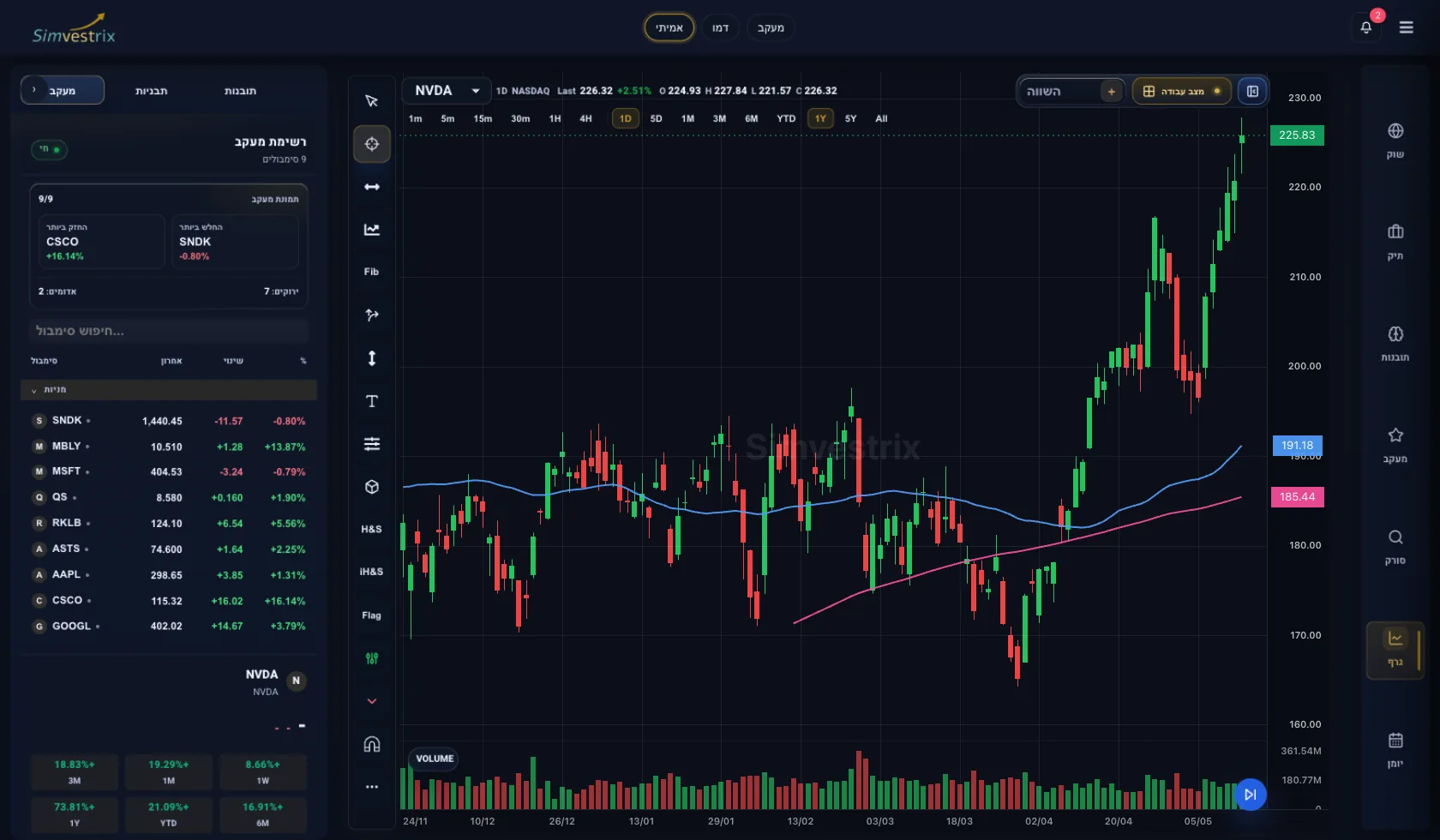
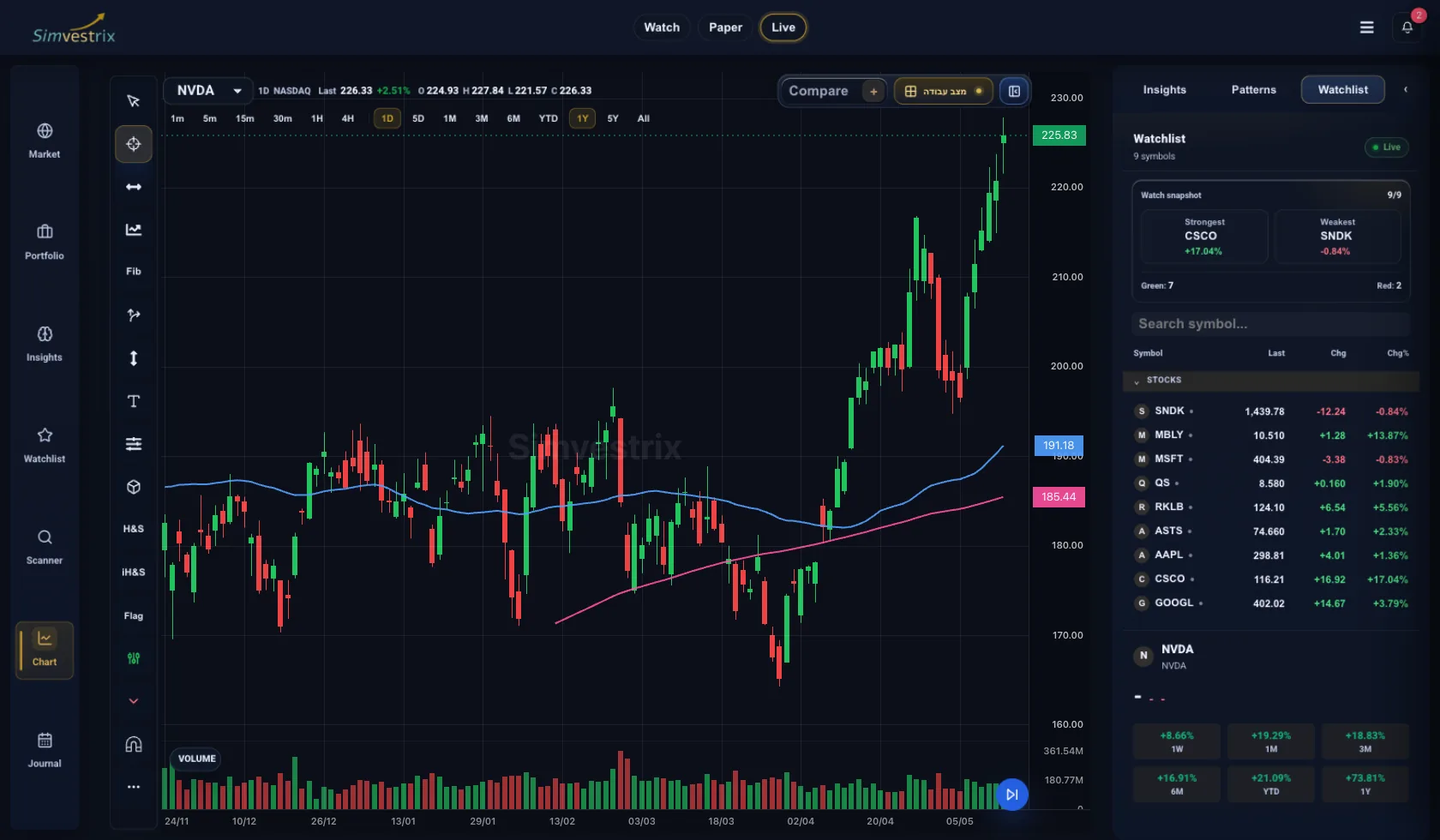
A trader who only checks P&L at the end of the week is reviewing outcomes, not performance. That distinction matters. If you want to understand how to review trading performance in a way that actually improves decision-making, you need a process that shows what happened, why it happened, and whether the trade matched your plan.
A good review is not a victory lap after green days or a postmortem after red ones. It is operating discipline. The goal is to separate skill from noise, identify repeatable strengths, and catch weak execution before it becomes expensive. For independent traders, that means looking beyond isolated trades and reviewing the full chain - setup quality, position sizing, risk control, execution timing, and portfolio context.
What a real performance review should measure
Most traders start with the easiest metric to find: net profit. Useful, but incomplete. A profitable week can hide poor risk decisions, inconsistent sizing, or low-quality entries that happened to work. A losing week can still reflect solid execution if the process was sound and market conditions were hostile.
Performance review should answer a tighter set of questions. Did you follow your rules? Did your winners come from your best setups or from improvisation? Were losses controlled at the trade level and at the portfolio level? Did your exposure match the opportunity set, or were you pressing in poor conditions?
This is where many reviews fail. They focus on what happened after entry and ignore what existed before the trade was placed. If your watchlist process was weak, your thesis was vague, or your risk budget was already stretched, the problem started well before the exit.
How to review trading performance without getting lost in data
The cleanest approach is to review in layers. Start broad, then narrow. Look first at your account and portfolio behavior over the review period. Then evaluate setup groups. Only after that should you move into individual trades.
At the top level, check total return, drawdown, win rate, average win versus average loss, and expectancy. These metrics tell you whether the strategy mix is functioning. But they do not tell you why. For that, you need segmentation.
Break results down by setup type, asset class, holding period, long versus short exposure, time of day, and market regime if you track it. A strategy can look mediocre in aggregate and excellent in one narrow condition set. The reverse is also common. Traders often believe they have a broad edge when their profits come from only one or two very specific patterns.
Then move to the trade level. Review chart context, thesis clarity, entry timing, stop placement, target logic, and whether the execution matched the original plan. If the trade changed midstream, note exactly when and why. Sometimes adaptation is justified. Often it is just rationalized drift.
Start with process metrics, not just outcome metrics
If you only grade trades by money made or lost, you reinforce bad habits. A poorly planned trade that makes money gets rewarded. A disciplined trade that loses in a valid setup gets punished. That is how traders become inconsistent.
A better method is to score each trade on process first. Was the setup valid according to your rules? Was position size aligned with risk limits? Did you enter where you intended, or did you chase? Did you respect the stop? Did you scale or exit for a documented reason?
This process score gives you something outcome metrics cannot: a way to evaluate execution quality independently of short-term variance. Over time, that creates cleaner feedback. You stop asking only, "Did this trade make money?" and start asking, "Would I want to repeat this exact decision?"
That question is far more useful.
The key areas every review should cover
Setup quality
Your review should show which setups are carrying your performance and which are draining it. Be strict here. If a trade does not fit a named setup, classify it as discretionary or unplanned. That alone usually exposes a lot.
Strong setup review also requires context. A breakout setup in a strong trend environment is not the same as a breakout attempt in a choppy tape. If you do not track context, you will mix high-quality and low-quality opportunities into the same bucket and get misleading conclusions.
Risk and position sizing
A common problem is being directionally right but structurally sloppy. Traders pick the right idea, then oversize the trade, place a loose stop, or stack too much correlated exposure. The result is unnecessary volatility in account performance.
Review whether your sizing was consistent relative to conviction, liquidity, and stop distance. Also review total portfolio risk at entry, not just single-trade risk. A group of individually acceptable positions can still create concentrated exposure.
Execution quality
Execution often decides whether a valid idea becomes a clean trade or an avoidable mess. Look at how far your actual fill drifted from the planned entry. Review whether you entered in stages, used limit orders effectively, or chased momentum after the risk-reward deteriorated.
This matters even more for active traders. Small execution slippage, repeated across many trades, can quietly erode edge.
Exit discipline
Many traders spend most of their time refining entries and very little time reviewing exits. That is backwards. Exit behavior shapes both expectancy and emotional stability.
Review whether exits matched your stated logic. Did you cut winners early because price paused? Did you widen stops after the original setup failed? Did you ignore planned profit-taking levels? Exit mistakes are usually easier to spot in review than in real time, which makes this one of the highest-value areas to audit.
Use journaling, but make it structured
A journal is only useful if it makes comparison easy. Freeform notes have value, but they are not enough on their own. You need consistent fields so you can sort, filter, and identify patterns across trades.
At minimum, capture the setup name, entry reason, exit reason, risk per trade, holding period, market condition, and one note on execution quality. Add screenshots if your strategy depends heavily on chart structure. Then review the same fields every week and month.
This is where an integrated workspace helps. When charting, watchlists, trade logs, portfolio tracking, and risk data sit in one environment, your review becomes faster and more complete. You spend less time stitching together screenshots, broker exports, and scattered notes, and more time seeing the actual pattern.
Weekly reviews find errors. Monthly reviews find patterns.
If you are serious about performance, review on two time horizons.
A weekly review is tactical. It should catch immediate issues: missed stops, overtrading, weak entries, avoidable losses, and changes in market behavior. The point is not to produce a long report. The point is to make quick corrections while the details are still fresh.
A monthly review is strategic. This is where you evaluate whether your edge is stable, narrowing, or shifting. You can compare setup performance, see whether your drawdowns are clustering around certain conditions, and decide if your strategy mix needs adjustment.
The trade-off is simple. Review too often and you can overreact to noise. Review too infrequently and costly habits stay hidden. A weekly and monthly cadence usually gives traders enough speed without sacrificing perspective.
What to do after you review trading performance
Review is only useful if it changes behavior. After each review, make a short list of adjustments. Keep it tight. One to three actions is usually enough.
Those actions might include reducing size in lower-conviction setups, eliminating one recurring mistake, tightening criteria for entries, or capping exposure in correlated positions. Avoid broad resolutions like "be more patient." Replace them with operating rules you can actually follow and measure.
Then, in the next review, check whether the adjustment was applied consistently. That closes the loop. Without that step, review becomes observation without improvement.
The mistake traders make most often
The most common mistake is trying to review everything at once and ending up with no clear conclusion. More metrics do not automatically produce better insight. If your process is cluttered, you will miss the signal.
Focus on the variables that most directly affect your results: setup quality, risk, execution, and exits. Track them consistently. Review them on schedule. Let patterns emerge over a real sample size instead of rewriting your playbook after every rough session.
Trading performance does not improve because you looked harder at the numbers. It improves when your review process exposes decisions you can refine, remove, or repeat with confidence. Build that kind of review, and each trade starts contributing more than profit or loss - it contributes usable information.